
We’re launching something that’s been months in the making: Her Game Data, a pilot program to bring GPS performance tracking to women’s football in Kenya for the first time.
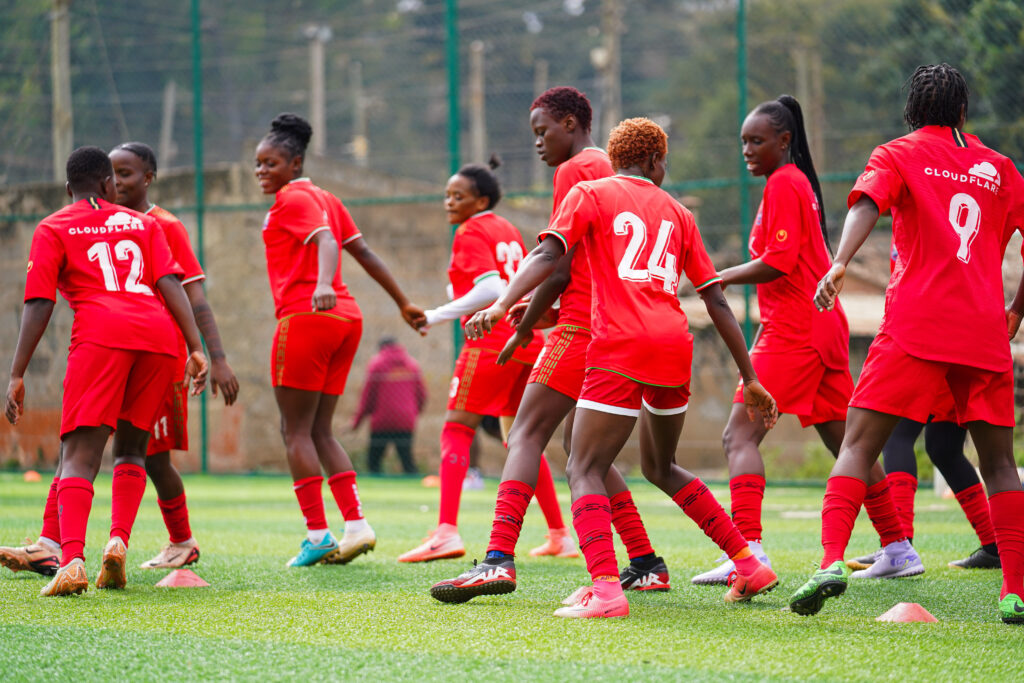
Here’s why this matters: Women footballers show up at 6 AM. They run drills in 30-degree heat. They push through injuries, juggle jobs, and still find time to play the sport they love. And yet, when it comes to proving what they can do—to scouts, sponsors, or scholarship programs—they have nothing.
That ends now.
The Problem We’re Solving
Here’s the uncomfortable truth about women’s football in Kenya: talent without personal performance data is invisible.
While men’s teams have had GPS tracking for years, women’s teams get nothing. No personal metrics on distance covered, sprint speeds, heart rate, acceleration, or workload management. No injury prevention tools. Just vibes and hope.
And when a scout asks, “How fast is she? How many kilometers does she cover per game? What’s her heart rate under pressure? Is she ready for the intensity of professional football?”—there’s no answer. Just potential, disappearing into thin air.
This isn’t about fairness. It’s about survival. Without data, these athletes don’t get scholarships. They don’t get trials. They don’t get seen.
What We’re Building: Her Game Data
Her Game Data is our answer to this problem.
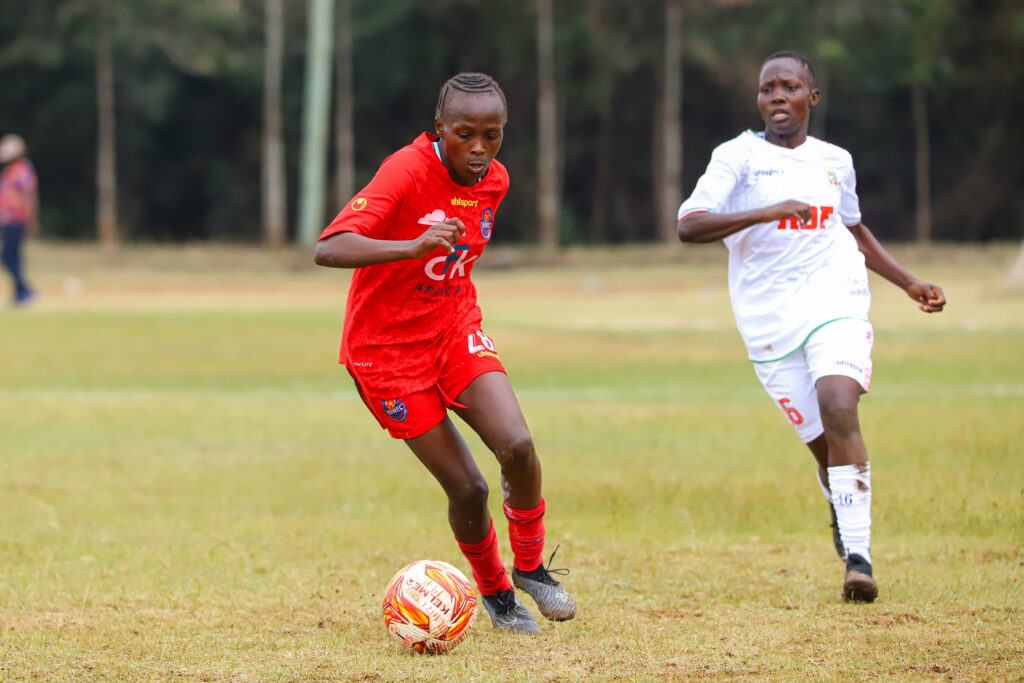
It’s a 6-month pilot program bringing GPS performance tracking to 6 women’s teams across the FKF Premier League, Super League, and Division One. For the first time in Kenya, over 200 female footballers will have access to the same performance data that men have taken for granted.
Here’s what that means:
Real Performance Metrics
- Distance covered per match
- Sprint speed and acceleration
- High-intensity running zones
- Recovery patterns
- Workload management
Professional Athlete Profiles
Every player gets a data-driven profile they can share with scouts, sponsors, and scholarship programs. Not a CV. Not a highlight reel. Proof.
Injury Prevention
GPS tracking helps coaches monitor workload and spot injury risks before they become career-ending problems. Because these women deserve to stay healthy while chasing their dreams.
Visibility
When a scout from Europe or the US asks about a player, we’ll have answers. Numbers. Evidence. The kind of data that opens doors.
Why This Matters (Beyond the Obvious)
Yes, this is about fairness. But it’s also about something bigger.
Data changes leverage.
Right now, women’s football in Kenya operates on goodwill and potential. Coaches plead for opportunities. Players hope someone notices. Federations make promises they don’t keep.
But when you have data, you’re no longer asking for favors. You’re presenting facts.
“This player covered 11 kilometers in her last match with a top speed of 28 km/h. She’s in the 90th percentile for high-intensity running in her position. She’s ready.”
That’s not a request. That’s a case.
And suddenly, the conversation shifts. Scouts take you seriously. Sponsors see value. Scholarships become realistic.
Data turns invisible talent into undeniable opportunity.
The Teams We’re Working With
We’re starting with 6 teams across three leagues:
- 2 FKF Premier League teams (Kenya’s top division)
- 2 Super League teams (second tier)
- 2 Division One teams (grassroots level)
Why these teams? Because they represent the full spectrum of women’s football in Kenya. From players training for international careers to those just trying to keep playing while holding down jobs.
Every single one of them deserves to be seen.
What Happens After the Pilot?
This isn’t just about 6 teams. It’s about proving a model that can scale.
If this pilot works—if we can show that data leads to scholarships, trials, and professional contracts—we’ll expand to every women’s team in Kenya. Then Uganda. Then Tanzania. Then the rest of East Africa.
The goal isn’t just to track performance. It’s to build the data infrastructure for women’s football across Africa.
Because right now, the only reason women’s football in Africa feels “less professional” than Europe or the US is that we don’t have the tools they have. GPS tracking isn’t expensive because it’s high-tech. It’s expensive because no one thinks women’s football is worth the investment.
We’re here to prove them wrong.
How We’re Funding This
I founded GameOn Collective because I believe African women athletes deserve the same tools as everyone else. But I’m not waiting for investors or grants to come through.
We’re fundraising within our networks and the public to purchase GPS vests and software for this pilot. The goal is simple: get the equipment, start collecting data, and prove this works.
M-PESA Paybill: 76 12 21
Account: Her Game Data
Every contribution—whether it’s KES 500 or $5,000—gets us closer to making this real.
Join Us
If you’ve read this far, you probably care about women’s sports. Or data. Or equity. Or all three.
Here’s how you can help:
- Support the pilot financially. Every contribution counts.
Paybill: 76 12 21 | Account: Her Game Data - Share this story. The more people know about Her Game Data, the more we can do.
- Connect us with potential partners. Know a foundation, athlete, or organization that might care? Introduce us.
- Follow our journey. We’ll be sharing updates, data insights, and player stories as we go. This is just the beginning.
A Final Thought
A few weeks ago, I was at a training session watching one of the teams we’ll be working with. A player—let’s call her Joy—was running drills. Fast. Relentless. The kind of player you know could go pro if given the chance.
After training, I asked her what she wanted most out of this program.
She paused, then said: “I just want someone to believe me when I say I’m good.”
That’s what this is about.
Not just tracking speed or distance. Not just preventing injuries or building profiles.
It’s about making sure that when a woman says, “I’m good enough,” she has the proof to back it up.
Let’s make that happen.
— Nginda
Co-founder, GameOn Collective
Email | Instagram | LinkedIn